Bath Routine
Toddler Hates Bath Time? 7 Gentle Ways to Make It Easier

Toddlers often resist baths because of something small: water that feels too hot or too cold, water in their eyes, the noise of the drain, feeling cold when they get out, or simply not wanting to stop playing. Keep baths short and predictable, check the water is around 37°C, rinse hair with a cup instead of a shower, give your child a job, and have a warm hooded towel ready so the end of the bath feels good.
Toddlers often resist bath time because of something small: water that feels too hot or too cold, water running into their eyes, the gurgle of the drain, the chill of getting out, or simply not wanting to stop playing. The good news is that small causes usually have small fixes.
Many children who loved the bath as babies go through a phase of resisting it somewhere between one and three years old. It is common, it rarely lasts, and it does not mean you are doing anything wrong. What helps most is a calm, predictable routine that takes away the part your child dislikes.
A safety note before anything else: never leave a young child alone in or near the bath, not even for a moment to fetch a towel. Have everything ready before the water goes in.
Why toddlers suddenly resist the bath
Understanding the cause makes the fix easier. The most common reasons are:
- A bad moment. A slip, a splash in the face or soap in the eyes can be remembered for weeks.
- Temperature. Water that feels too hot or too cold, or the chill of stepping out, can make the whole bath feel unpleasant.
- Hair washing. For many toddlers, this is the only part they hate. The rest of the bath gets the blame.
- The drain. The noise and the swirl of water disappearing can be genuinely frightening at this age.
- Control. Toddlers want to decide things. Being picked up and put in the water is not their idea.
- Timing. A bath squeezed in when a child is overtired or hungry rarely goes well.
7 gentle ways to make bath time easier
1. Check the water before they get in
Aim for around 37°C (about 99°F), close to body temperature. A bath thermometer takes the guesswork out, or test with your elbow, which is more sensitive than your hand. A shallow bath also feels safer to a nervous child than a deep one.
2. Keep it short and predictable
Toddlers relax when they know what is coming. Follow the same order every time and say it out loud: tummy, arms, feet, hair, then out. A few minutes is enough to get clean. Finish while your child is still enjoying it, so the last memory of the bath is a good one.
3. Rinse hair with a cup, not the shower
Hair washing is the most common flashpoint. Ask your child to look up at the ceiling, or give them a dry washcloth to hold over their eyes, and pour water slowly from a cup behind the hairline. Say "one, two, three" before each pour so nothing comes as a surprise. On difficult days, it is fine to skip the hair altogether.
4. Give them a job
Toddlers cooperate more when they have a role. Let your child pour water from a cup, wash their own tummy with a soft washcloth, or choose one bath toy to bring. A small job turns the bath into something they do, rather than something that is done to them.
5. Take the drain out of the story
If the plughole is the problem, change the order. Lift your child out and wrap them up first, then pull the plug while they are cuddled in the towel and busy with a song, or let them wave goodbye to the water from a safe spot. Drain the bath straight away rather than leaving standing water, which is never safe with a toddler around. With the scary part defused, many children stop worrying about the bath within a week or two.
6. Have a warm towel ready
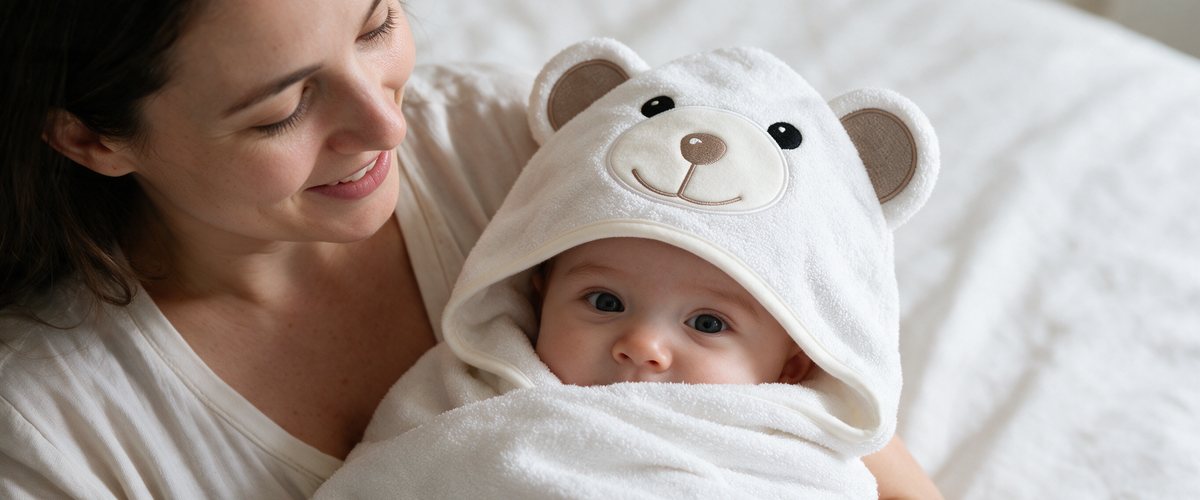
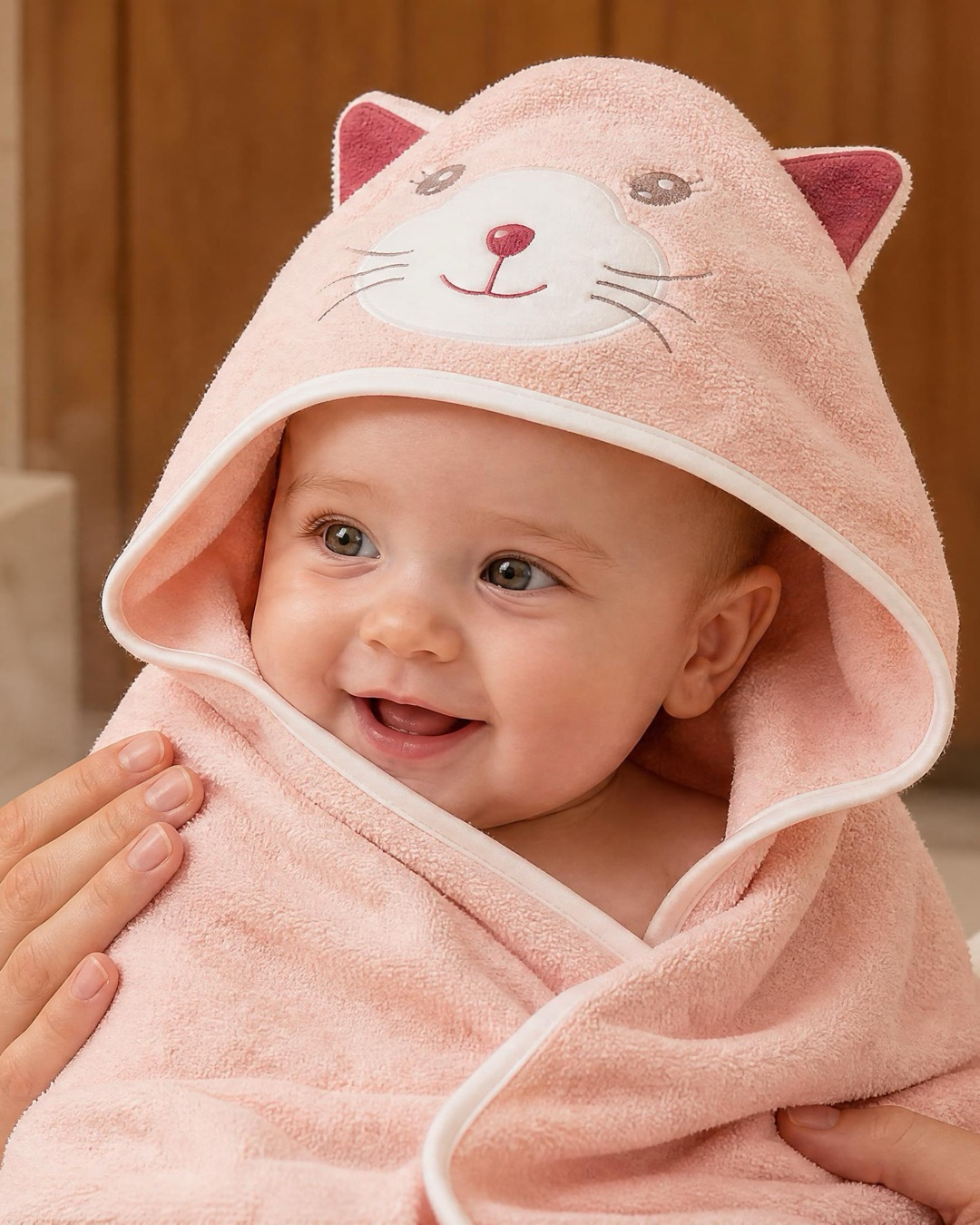
The moment after the bath is when a child is wet, cold and most likely to protest. Have a hooded towel open and ready before the bath ends, so you can wrap your child the moment they stand up: hood on, sides around, and a cuddle straight away.
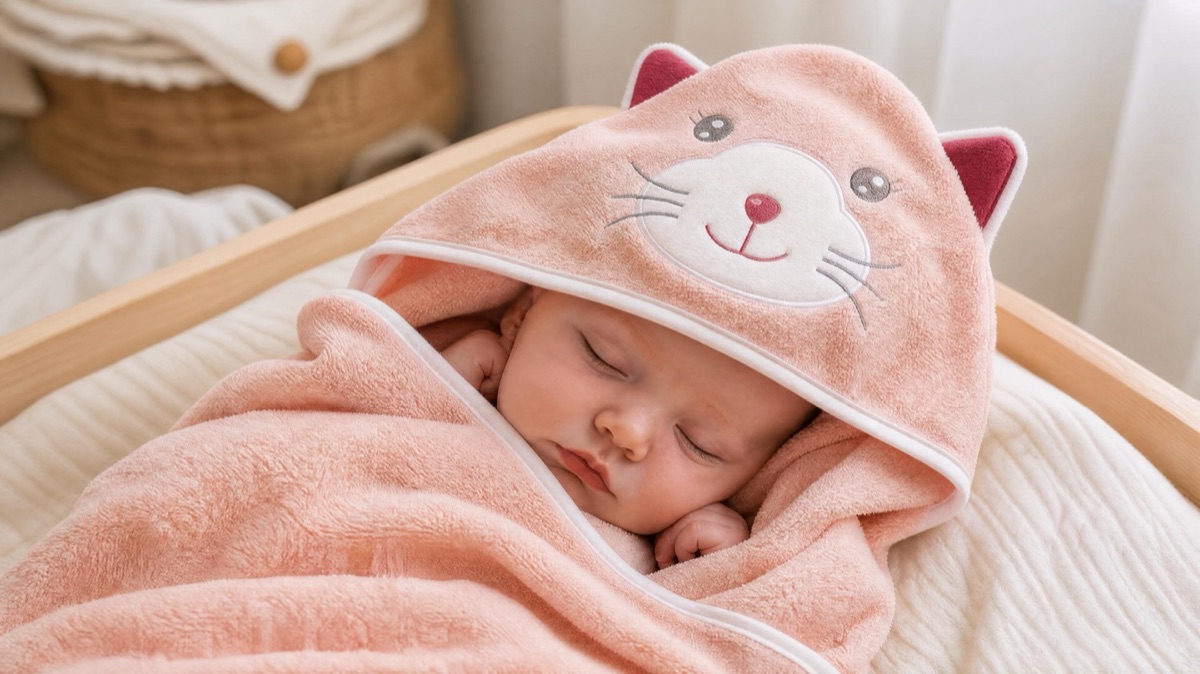
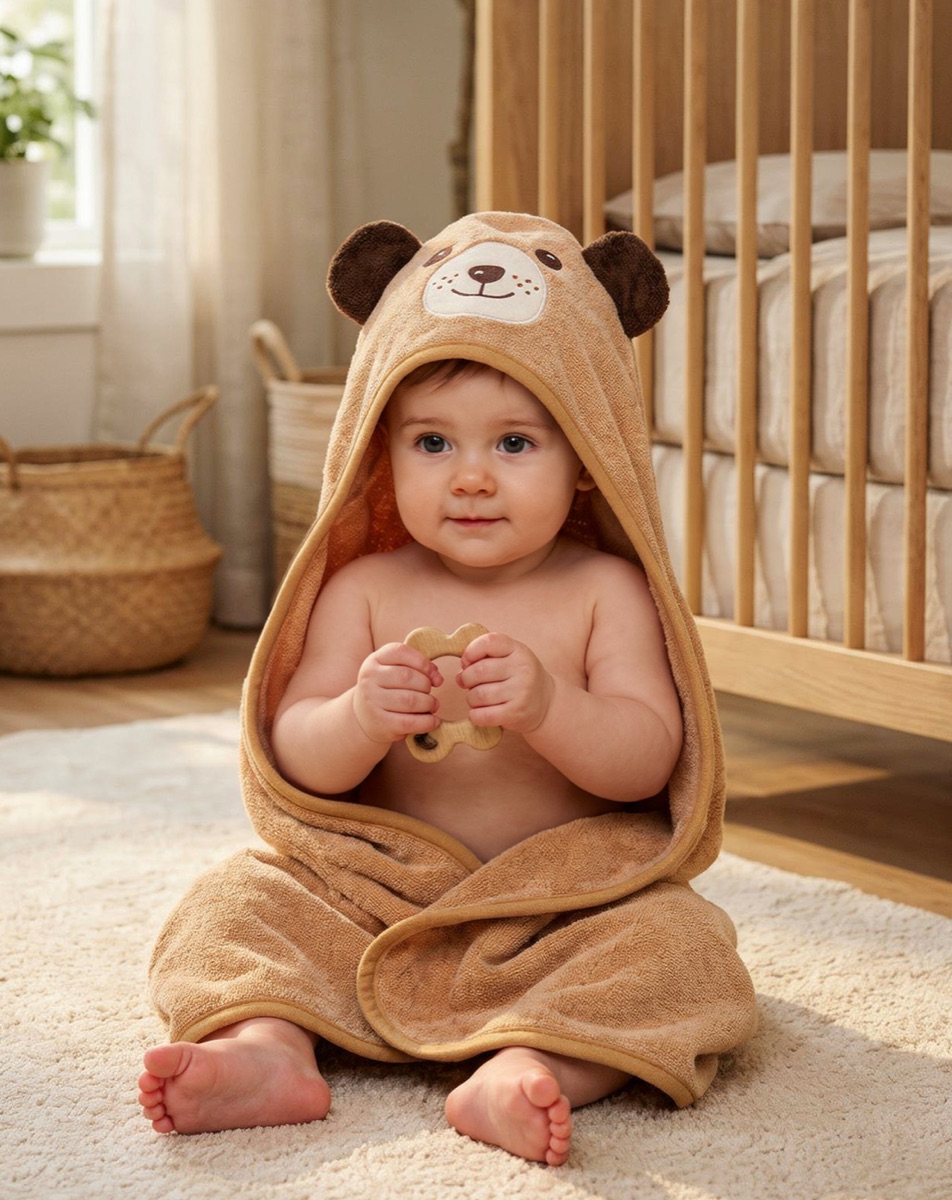
A towel with a character hood can help too. Letting a toddler choose between two towels, the cat or the dog for example, gives them one more thing to decide and one more reason to look forward to getting out. A generous size matters here: MiniBoo hooded towels are 81 × 81 cm, large enough to wrap a toddler completely, and the soft 500 GSM terry of 70% bamboo and 30% cotton feels gentle on damp skin.
7. End with something they love
Connect the bath to what comes next: a favourite story, a song, or a few minutes of cuddling in the towel on the sofa. When the end of the bath is reliably lovely, the beginning gets easier too. Our bedtime routine after bath guide shows how to turn those minutes into a calm wind-down.
When to take a break
If bath time has become a daily battle, it is fine to step back for a few days. A warm washcloth wipe of the face, hands and diaper area keeps a toddler clean while the bath has a rest. In hot, humid weather, a short lukewarm rinse can work instead of a full bath. Then try again with the steps above, keeping the first attempts short and easy.
If your child's fear is intense, lasts for months or comes with other worries, it is worth mentioning at your next check-up with your child's doctor.
The short version
- Small causes usually have small fixes: temperature, hair, the drain, the chill of getting out.
- Keep baths short, shallow and predictable, around 37°C.
- Rinse hair with a cup, and give your child a job.
- Have a warm hooded towel ready and end with something they love.
- Never leave a young child alone in or near the bath.
Most bath-time battles fade within a few weeks. A calm routine, a little control for your toddler and a warm towel waiting at the end do most of the work.
From the collection

Frequently asked questions
Why is my toddler suddenly scared of the bath?
It is very common. A slip, water in the eyes, the sound of the drain or simply a new phase of fears can turn a happy bath into a battle overnight. Staying calm, keeping baths short and removing the scary part usually helps within a few weeks.
How warm should a toddler's bath be?
Around 37°C (about 99°F), close to body temperature. Check with a bath thermometer or your elbow before your child gets in, and never leave a young child alone in or near the bath, even for a moment.
Is it okay to skip a bath when my toddler refuses?
On a hard day, a quick wash with a warm washcloth can be enough, and a calmer bath tomorrow is better than a battle tonight. In hot, humid weather many families prefer a short daily rinse.
How can I make the end of bath time less upsetting?
Have a warm hooded towel open and ready so your child is wrapped the moment they stand up, then move straight to something they enjoy, such as a story or a cuddle.